
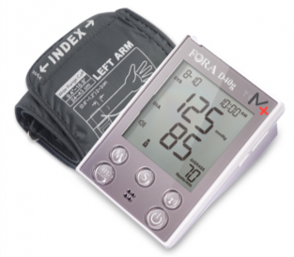
2-in-1 monitor
Blood pressure and blood glucose
One device for the two measurements most diabetes patients take at home.
For hospitals and diabetes clinics
DiaSense connects cellular glucose, blood pressure and weight devices to a clinical platform that reviews every reading. Doctors start the day with a short list of patients who need them. Patients get guidance at home between visits.
Devices connect over the mobile network. Patients don't set up Wi-Fi or pair anything over Bluetooth.
Many people with Type 2 diabetes go to hospital every month to have their blood sugar, blood pressure and pulse checked, and to see a doctor or dietitian. In a large city that trip can take half a day. Readings taken at home end up in a notebook, if they are written down at all.
Remote monitoring solves part of this and creates a new problem. A doctor following 500 patients can't read 500 charts every morning. Simple threshold alerts go off all day, and after a while nobody looks at them.
DiaSense is designed around both problems: measurements happen at home without any setup, and the doctor only sees what needs a decision.
We use commercial medical devices with a built-in mobile connection. Each one is linked to the patient before it is delivered. The patient switches it on, takes a measurement, and the reading is sent to DiaSense automatically.
Blood pressure and blood glucose
One device for the two measurements most diabetes patients take at home.
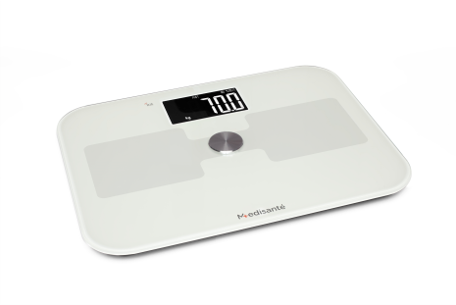
Up to 180 kg
Weight and body composition, measured by stepping on. No app needed.
Heart rate, HRV, sleep
Continuous signals that help explain changes in glucose. Connected through the patient app.
The patient uses the monitor, the scale and the watch at home, as part of their normal routine.
Readings go over the mobile network straight to the DiaSense cloud. Nothing has to be typed in.
The platform compares each patient's readings with their own history and their care plan, and highlights what has changed.
Doctors get a ranked review list. Patients get advice in the app. Assistants handle follow-up and scheduling.
DiaSense uses AI for one purpose: to help doctors and care teams find what matters in a large amount of patient data. It does not diagnose, prescribe or change a treatment. Every flag, suggestion and draft is reviewed by a doctor or a qualified healthcare professional, who makes the final decision.
Every night the system goes through glucose, blood pressure, weight, heart-rate variability and sleep for each patient. In the morning the doctor sees a ranked list with a one-line reason for every flag, plus an estimate of where each patient's HbA1c is heading.
Stable patients stay out of the way. The doctor can still open any record, but doesn't have to.
Example output
3 of 500 patients flagged for review today.
#1042 Fasting glucose has risen for 6 days (7-day average 168 mg/dL). Sleep quality dropped over the same period. Consider a medication review.
#0877 Weight up 2.4 kg in 9 days. Check for fluid retention.
Patients can message the coach at any time. It sees their latest readings and the meal plan agreed with their clinician, and adjusts the day's meals within those limits.
It is written for older users: short messages, plain language, no jargon. Questions about medication or symptoms are passed to the care team.
Example conversation
Lunch time. My plan says pasta today.
Your last reading was 180 mg/dL, which is above your target. A salad with grilled chicken or lentils would be a better choice right now. I've moved the pasta to tomorrow's dinner.
After a consultation, DiaSense drafts a SOAP note from the chat between patient and doctor and the month's readings. The doctor edits and signs it, and it is exported to the hospital's record system.
The aim is simple: less time typing, more time with patients.
Example draft, patient #1042
Draft. Requires clinician review and signature.
Patients see all of their own readings in one place. Doctors see their patient list sorted by who has gone outside the limits they set, so the people who need a call today are at the top.
App screens from the current design. Names and readings are examples.
Readings from every device, the coach, and scheduled chat sessions with the doctor.
iOS, Android
The daily review list, patient history and trends, treatment plans and note sign-off. Works on desktop and phone.
Web, iOS, Android
For medical assistants: assigning patients to doctors, setting up devices, appointments and day-to-day clinic workflow.
Web
The DiaSense Healthcare Solutions team includes senior backend engineers and health-tech developers who worked on ProEmpower, a European Union pre-commercial procurement (PCP) project on self-management of Type 2 diabetes.
In that project we developed and ran an integrated mHealth system that used commercial medical devices to monitor patients with diabetes in several European countries. DiaSense starts from that experience and adds clinical decision support on top.
We are working with hospitals, diabetes clinics, insurers and investors who want to move chronic care out of the hospital. If that's you, send us a note.